
The Seller’s Side of the Deal
A seller is not only evaluating an offer. He is deciding who he trusts with the people, culture, and community he helped build
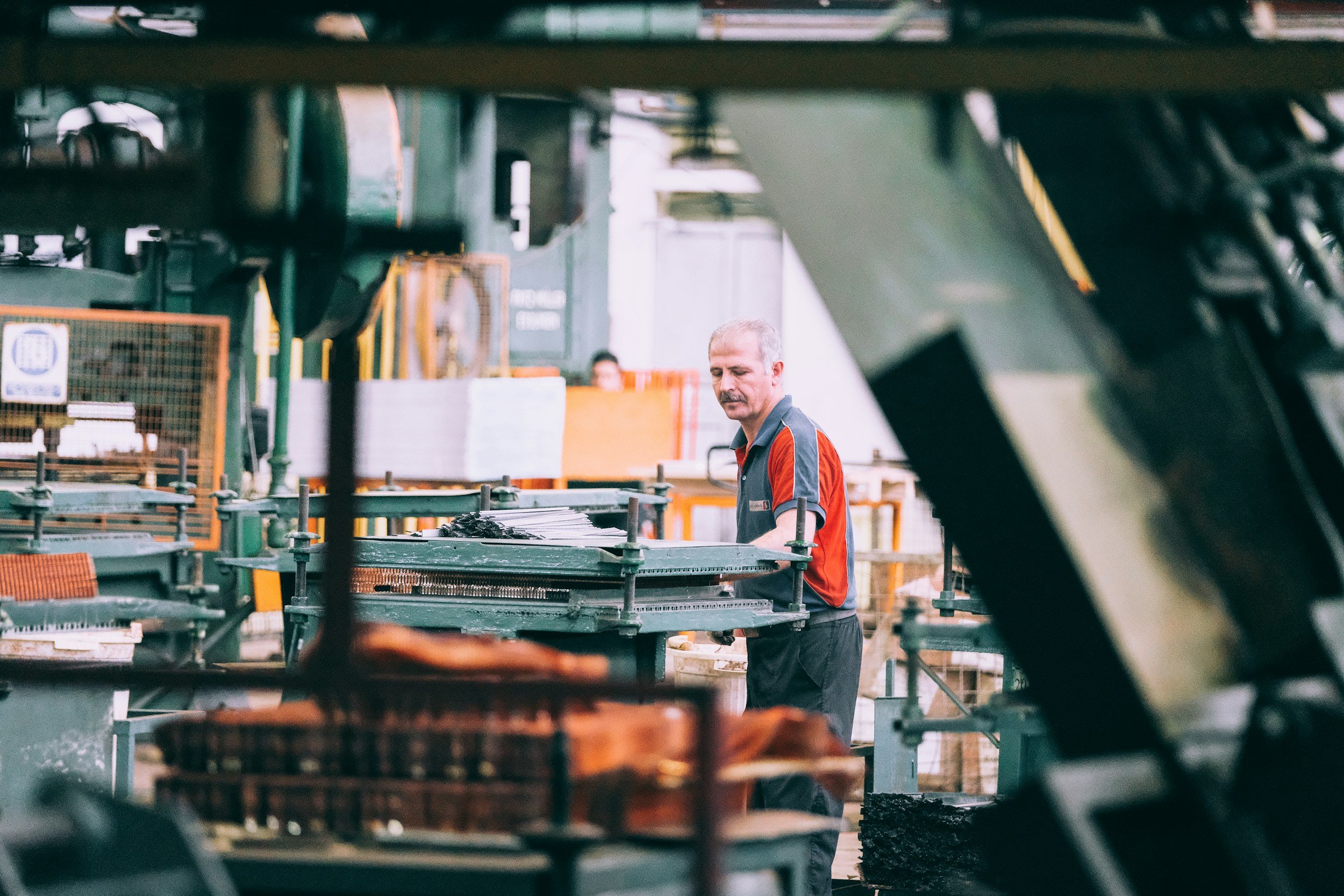
Most of the conversation around entrepreneurship through acquisition is naturally told from the buyer's perspective.
Finding the right business. Raising the money. Getting through diligence. Negotiating the deal. Taking over. Growing it.
Recently, I had the chance to spend time with a business owner who gave me a much different perspective.
The seller's.
More Than a Business
He grew up in the business.
He knows how to do just about everything in the shop. He understands the equipment, the work, the customers and the little things that have to happen every day to keep the business running.
His employees know that, too.
There is a respect that comes from knowing the owner didn't just manage the business. He did the work. He knows what a difficult job looks like because he has done it himself.
Technically, they are a business.
Spend some time there, though, and it feels much more like a family. People have been together a long time. They know each other's strengths. They know when someone needs help. There is history there that doesn't show up on an organizational chart.
The business also has a real place in its community. They are proud of where they are from. They believe in giving back. The company's reputation isn't just about what it sells or how much money it makes. It is tied to the people who work there and the community around it.
That makes the decision to sell more complicated than I think we sometimes appreciate.
They have had several people interested in buying the company.
The owner knows change is needed and, in some ways, welcomes it.
He wants someone who can bring new ideas. Better processes. Different ways of thinking. Things that can move the company forward. But he also wants someone who understands what is already there.
He doesn't want the business frozen in time. He doesn't expect the next owner to run it exactly the way he has.
What He Wants the Next Owner to Protect
What matters to him is that the next owner doesn't lose the things that made the company what it is:
The people
The culture
The company’s place in the community
The knowledge that has never been written down anywhere
One of his concerns was particularly interesting.
Many of the people looking at businesses like his are extremely smart. They may have excellent educations, strong financial backgrounds and good ideas about how to grow a company. But some of them have never actually run a small business like this one.
From his perspective, that matters.
Not because he thinks an outsider can't successfully run the company.
He clearly believes someone new can take it forward.
His concern is whether the new owner will understand how much there is to learn first.
The First 90 Days Matter
He talked about the importance of spending the first 90 days really understanding the business.
Learn the people
See how the work gets done
Ask why certain things are done the way they are
Identify which relationships matter
Listen to what customers expect
Capture what everyone knows but no one has documented
Listening to him, I kept thinking about how different the transaction must look from his side of the table.
For a buyer, this is an acquisition. For him, it is something he has spent most of his life building. The employees aren't simply headcount. The community isn't simply geography. The way things are done isn't simply a collection of processes waiting to be optimized. Some of those processes probably should change.
He knows that. That is part of why he wants a new owner with different ideas.
Understand Before You Optimize
But there is a difference between changing something because you understand it and believe there is a better way, and changing it because you haven't yet understood why it exists.
That distinction seemed very important to him.
It also made me think differently about what a seller may actually be evaluating when potential buyers come through the door.
What a Seller May Really Be Evaluating
The offer obviously matters. So does the likelihood that the deal will close.
But after spending time with this owner, it was clear those weren't the only things on his mind.
He was thinking about what the company would feel like after he was gone.
What would happen to the people who had helped him build it.
Whether the company would still be part of the community.
Whether the next owner would appreciate what was already good while bringing the new thinking the business needs.
Who Can Be Trusted With What Comes Next
He wasn’t simply deciding whether to sell a business. He was deciding who he trusted to take care of what came next.
That is a very different way to look at an ETA transaction.
And I suspect it is a perspective worth hearing more often.
The buyers who earn a seller’s confidence are often the ones who show that they want to understand the business before they start changing it.
See Beyond the Numbers
Buying a business means understanding more than the financials. Mayfield helps buyers see the people, customers, relationships, and operating realities that could shape what happens after close.